On October 1, the Kosovo-EFTA Free Trade Agreement will enter into force, creating new opportunities for increased exports, investments, and economic partnerships between Kosovo and EFTA countries.
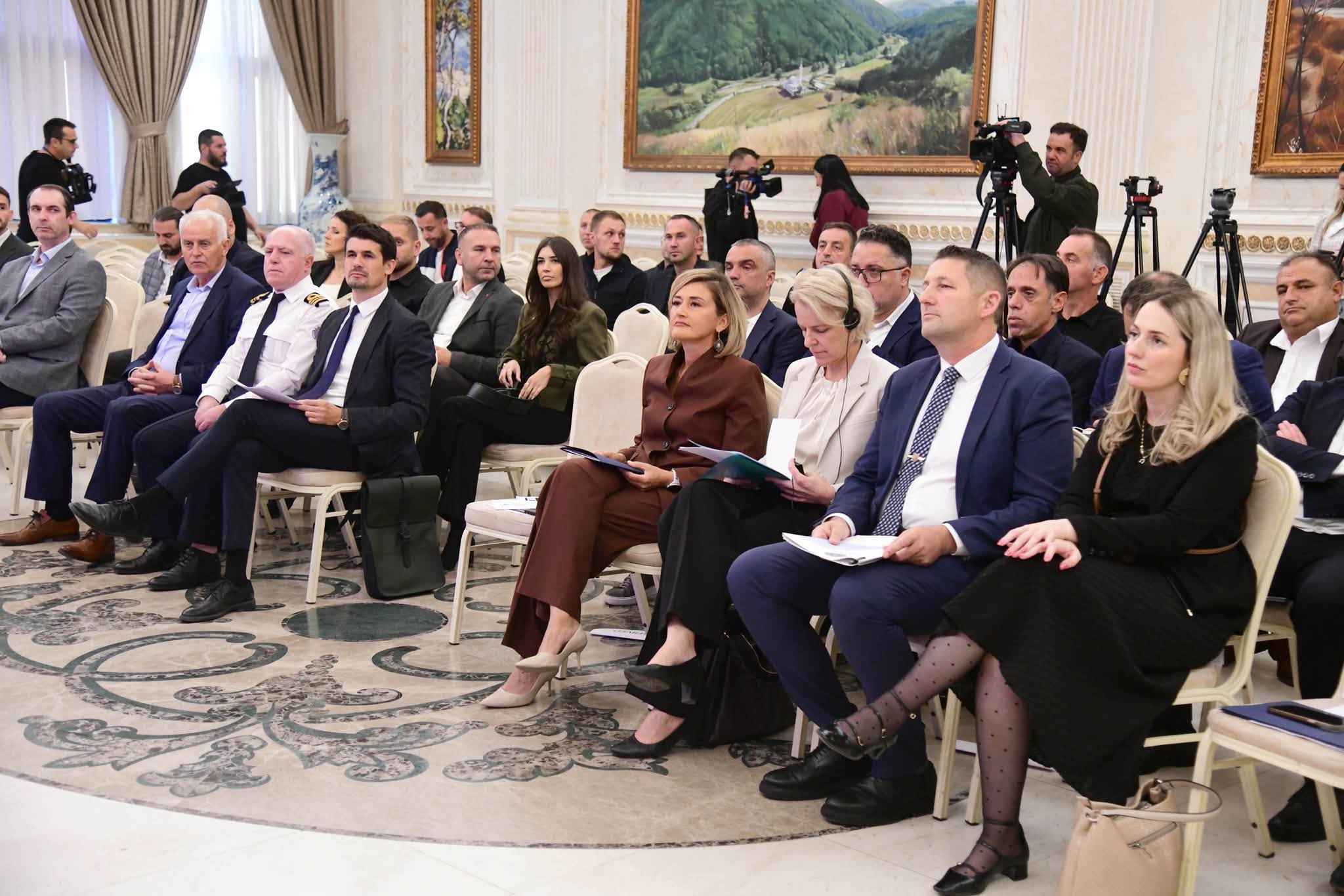
On this occasion, the Ministry of Industry, Entrepreneurship, Trade and Innovation has organized an information session with businesses, to inform them about the content of the agreement and the opportunities it opens in practice for the Kosovo economy.
Iceland, Liechtenstein, Norway and Switzerland are markets with high purchasing power and great potential for products and services from Kosovo. In 2025, Kosovo exported over 100.4 million euros to EFTA countries, while importing around 53 million euros, marking a positive trade balance of 47.4 million euros in Kosovo’s favor. Of the total exports to this market, around 99.4 million euros belong to exports to Switzerland.
The Minister of Industry, Entrepreneurship, Trade and Innovation, Mimoza Kusari-Lila, emphasized that these data show that the potential for increasing the presence of Kosovo products in EFTA markets already exists and that the focus is on further expansion.
From the beginning of this mandate, MIETI has prioritized processing this agreement for ratification, with the aim of Kosovo being more present in markets where its products and services have the opportunity to compete.
The agreement goes beyond trade in goods, creating for the first time expanded opportunities for trade in services, including information and communications technology, professional and business services, transport and construction.
The information session was also attended by the Swiss Ambassador to Kosovo, Anne Lise Cattin Hennin, and the Director General of Kosovo Customs, Agron Llugaliu. Cooperation between institutions and direct communication with businesses were assessed as important for transforming the opportunities offered by the agreement into concrete results.
With the entry into force of the agreement on October 1, the aim is to increase the presence of “Made in Kosovo” products in EFTA markets, increase exports, create new partnerships and attract investments.