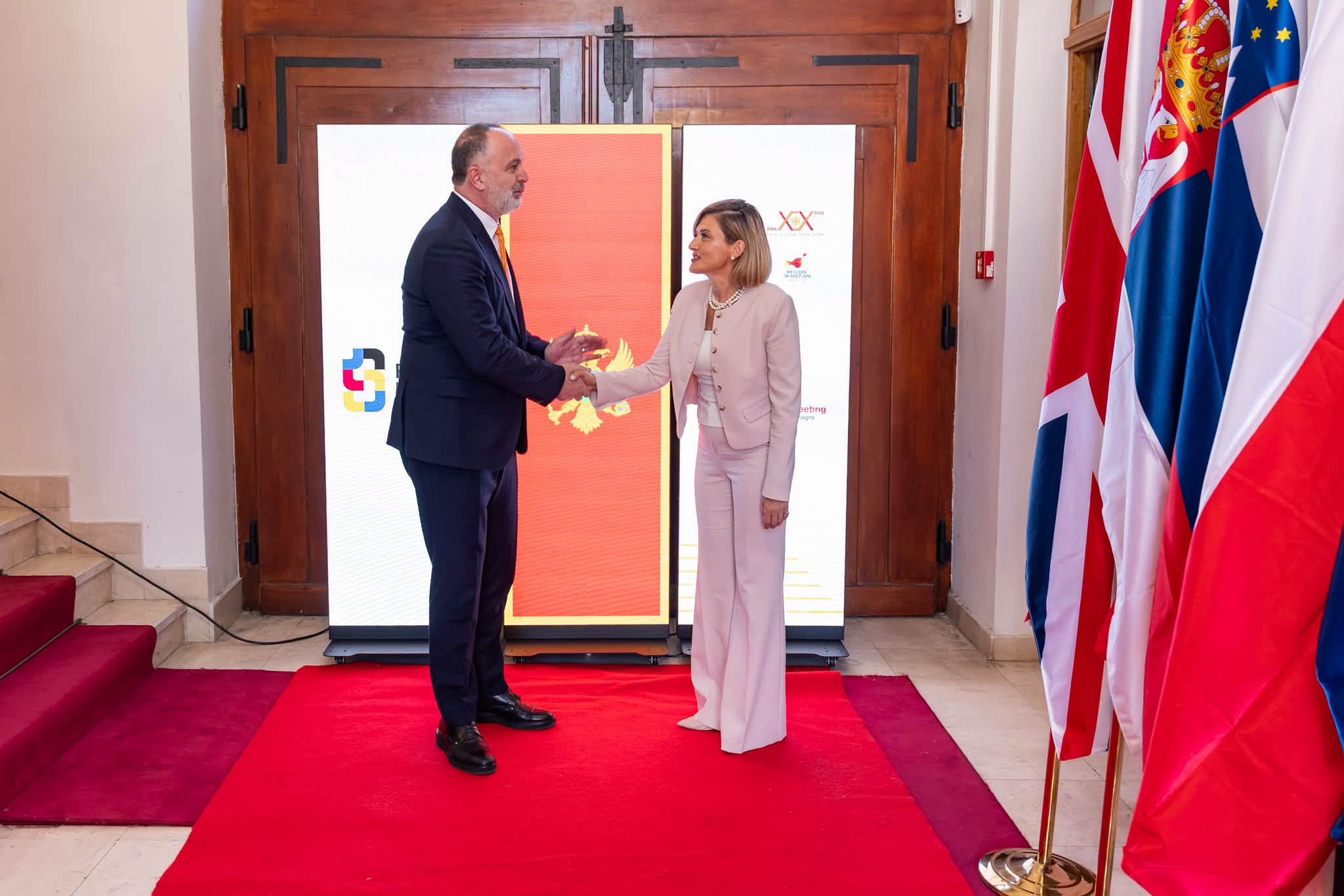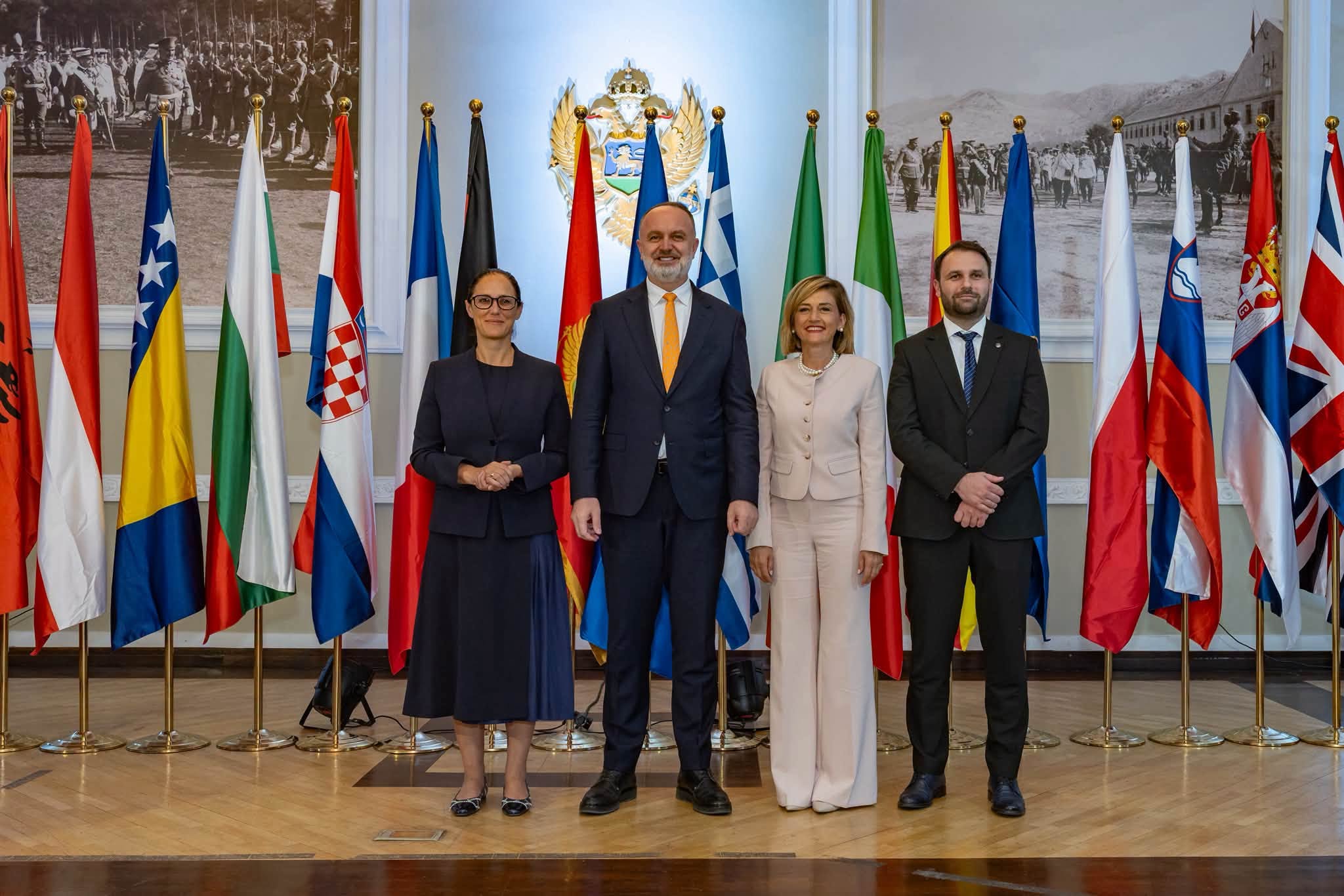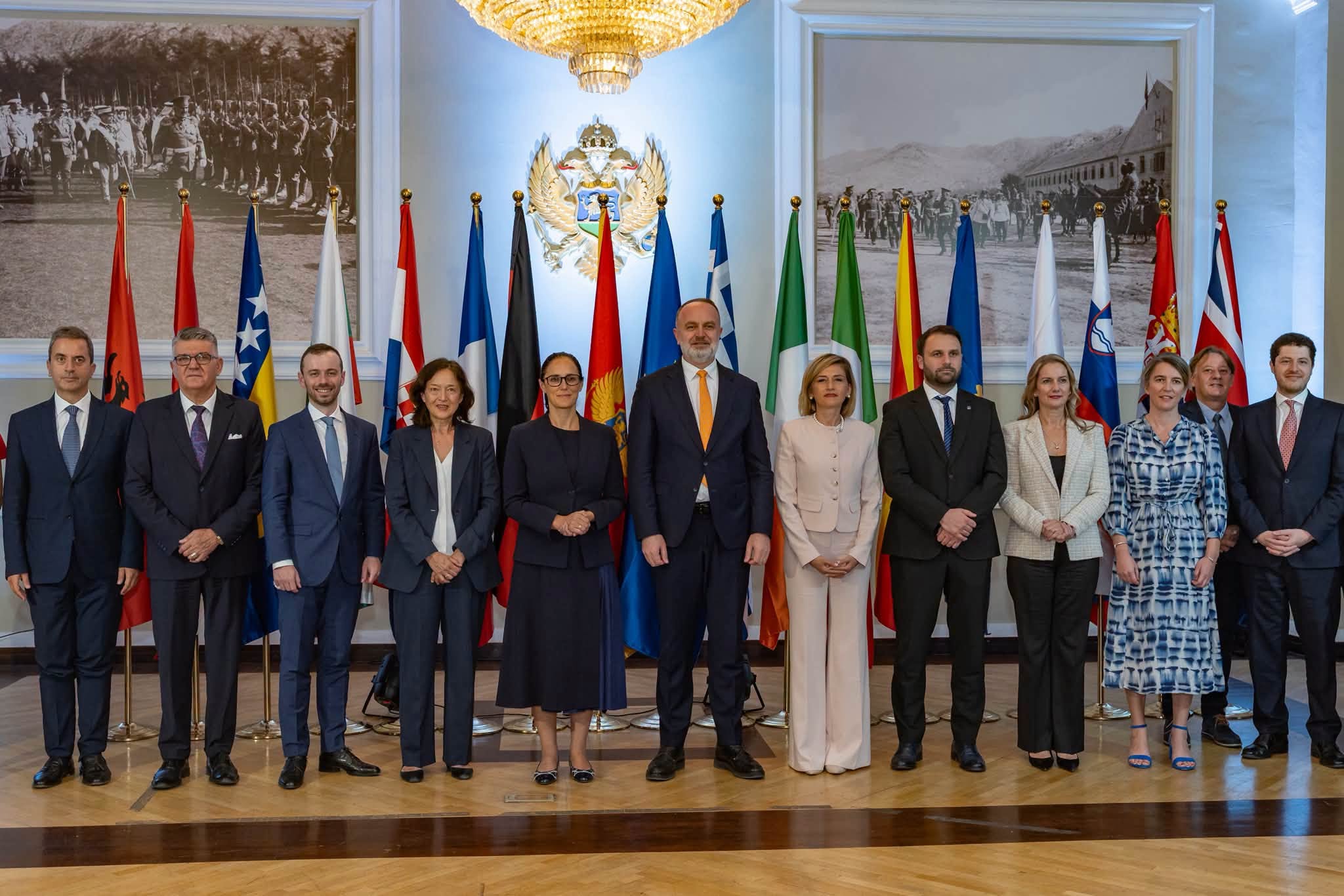
The Minister of Industry, Entrepreneurship, Trade, and Innovation, Mimoza Kusari-Lila, participated in the Berlin Process ministerial meeting held in Cetinje, Montenegro, under the chairmanship of Montenegro and Deputy Prime Minister Nik Gjeloshaj.
The meeting addressed concrete steps toward establishing a Common Regional Market, aiming to create more opportunities for businesses, investment, employment, and economic growth in the Western Balkans.
Minister Kusari-Lila stated that Kosovo is contributing concrete steps to this process, highlighting the ratification of CEFTA Additional Protocols 5, 6, and 7, the lifting of visa requirements for citizens of Bosnia and Herzegovina, and the entry into force of the Kosovo–EFTA Free Trade Agreement on October 1st.
According to her, these measures create greater opportunities for Kosovar producers by facilitating market access and reducing export barriers.
Discussions also focused on facilitating the mobility of professionals and the recognition of qualifications, as well as supporting innovation and entrepreneurship through the Law on Innovation and Entrepreneurship and the establishment of the Innovation Fund. In 2026, MIETI is supporting approximately 230 businesses with €9.4 million through nine grant schemes, focusing on modernization, innovation, clean energy, digitalization, certification, and women’s entrepreneurship.
Regarding investments, the Minister highlighted a new approach to developing eco-industrial parks, aiming to transform four existing parks into “green” parks based on circular economy and industrial symbiosis principles while eight others are currently under construction.
Furthermore, the “She Rises” program is supporting the potential of women entrepreneurs, with the goal of expanding this initiative to the regional level and creating greater opportunities for access to finance, markets, and partnerships.
Speaking on regional cooperation, Minister Kusari-Lila noted the symbolic significance of the fact that, among the six Western Balkan countries
four of the ministers responsible for economic integration and market development are Albanian.
She emphasized that the Western Balkans requires greater economic cooperation and fewer barriers, noting that regional integration becomes meaningful only when decisions translate into concrete results through increased trade, investment, and mobility, as well as expanded opportunities for citizens and businesses.